Battery Degradation Reporting: ROI for Fleets
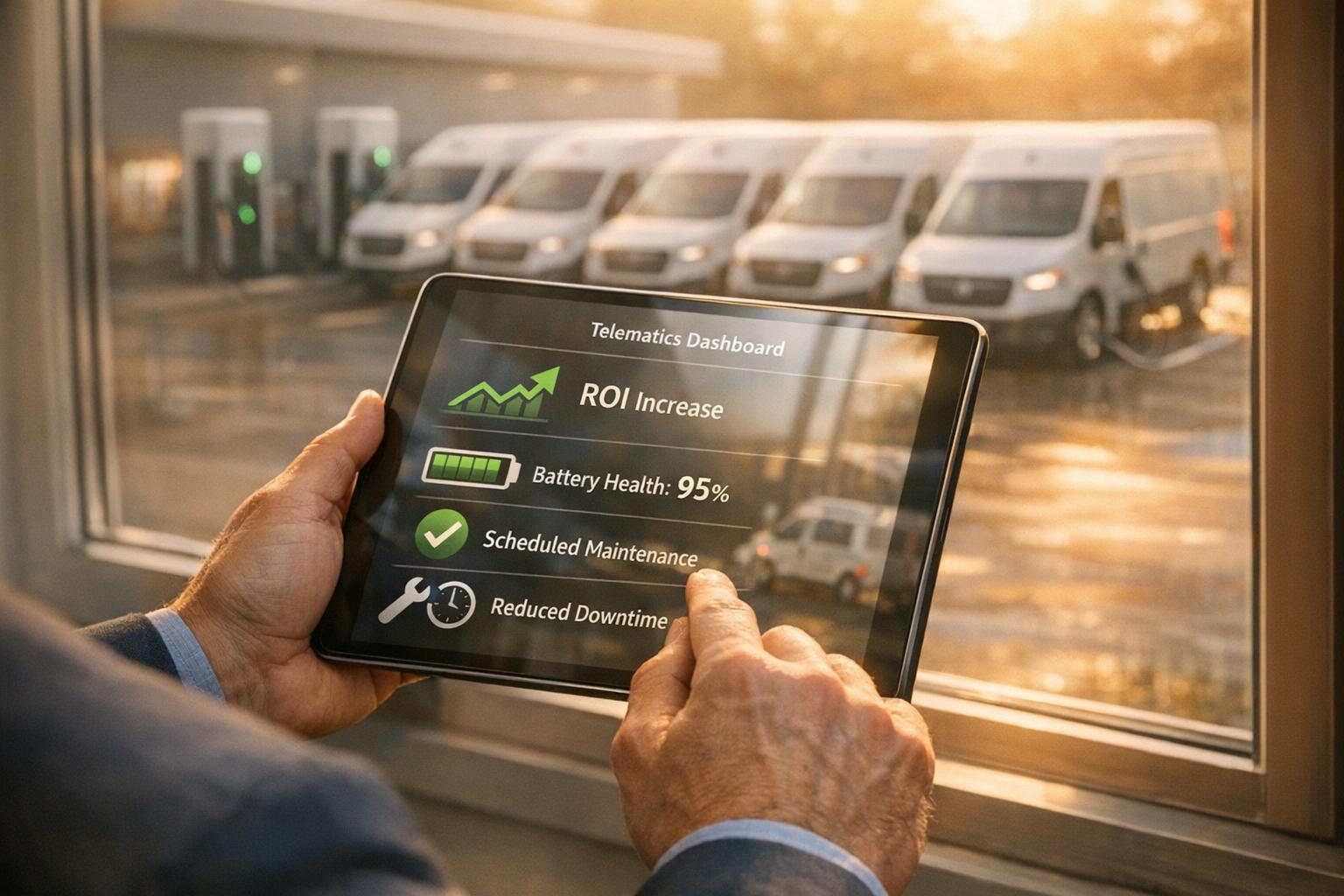
Battery degradation reporting cuts EV fleet costs, extends battery life and delivers 200-300% ROI within three years.
 By Michael Bar9 min read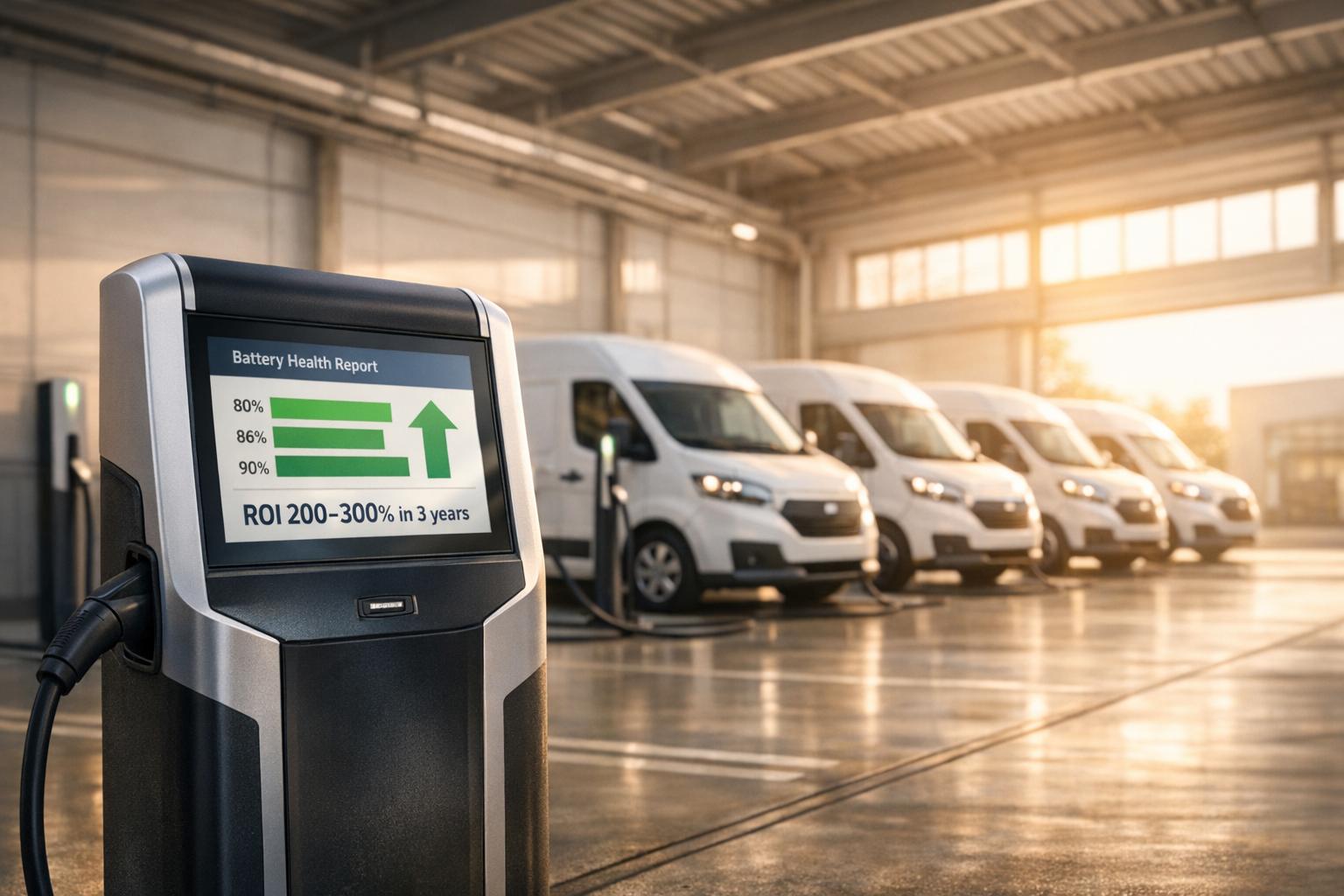
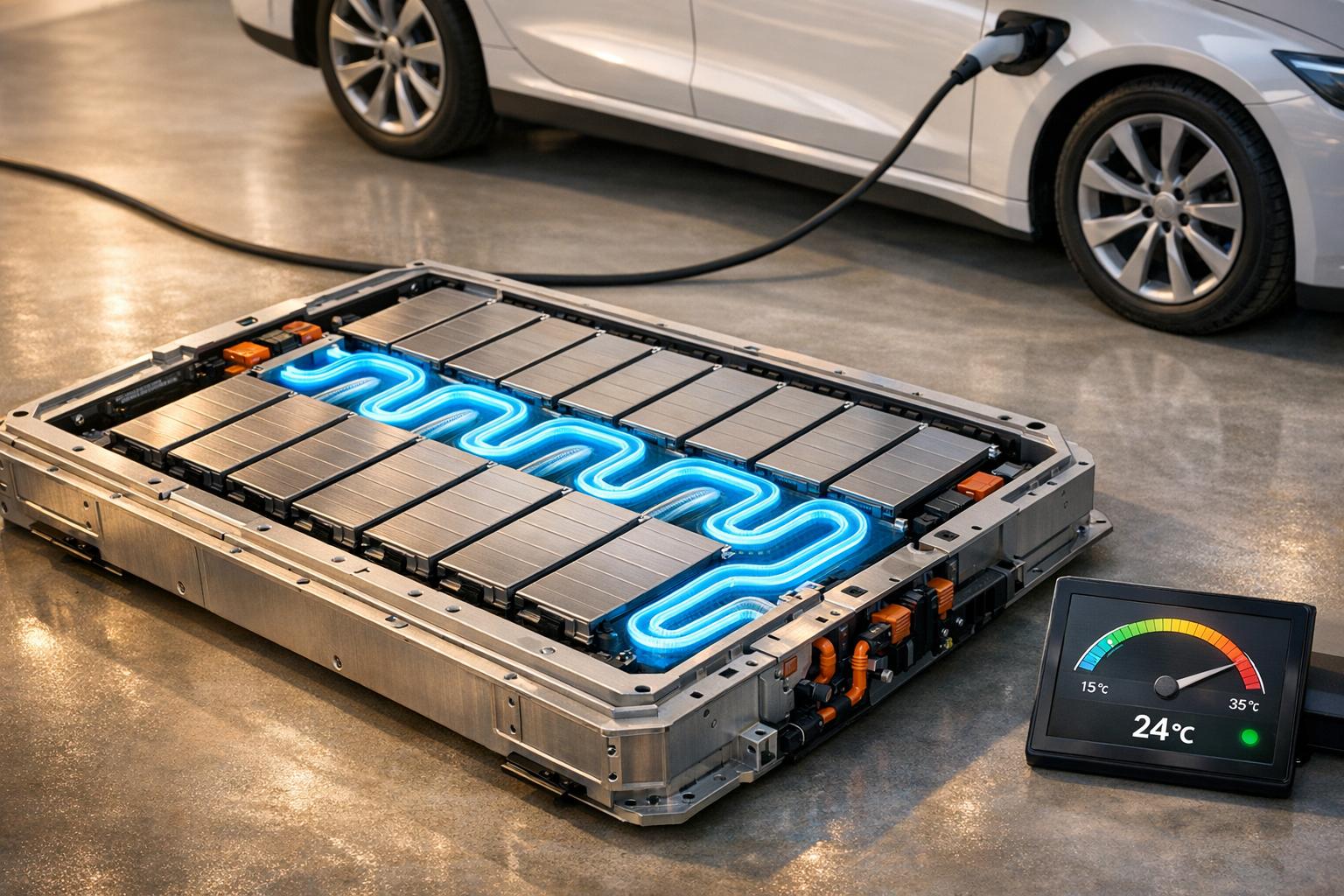
EV fleets face a unique challenge: battery degradation. This gradual loss in battery capacity impacts range, performance, and resale value. On average, EV batteries lose about 2.3% capacity annually, but factors like frequent high-power charging (3.0% annual loss) and hot climates (+0.4% loss) can accelerate this. Without proper monitoring, fleets risk higher costs, reduced efficiency, and shorter battery life.
Battery degradation reporting systems solve this problem. These tools provide real-time data on battery health, enabling better charging practices, route planning, and maintenance decisions. For instance, fleets using low-power charging retain 88% capacity after eight years versus 76% with frequent fast charging. Reporting systems also help with warranty claims and improve resale value by offering verified battery health data.
The financial impact is clear. Fleets using these systems can cut costs by 15–25%, extend battery life by 20–30%, and achieve a return on investment (ROI) of 200–300% within three years. For example, a UK logistics company saved £250,000 annually by reducing battery failures and downtime. These systems also align with sustainability goals for your industry by reducing battery waste and emissions.
Investing in battery degradation reporting is a low-risk, high-reward decision for fleet managers. Starting with a pilot programme can demonstrate the benefits before scaling up.
1. Fleets Without Battery Degradation Reporting
Running a fleet without battery degradation reporting leaves managers relying on vague dashboard estimates. This lack of accurate data leads to poor route planning, increased maintenance needs, and higher replacement expenses. Over time, these inefficiencies drive up costs and shorten battery life.
Operational Efficiency
Without van tracking solutions, fleet operations become a guessing game. Managers are unable to remotely identify battery issues, predict when vehicles are nearing the end of their usable life, or assign vehicles to routes based on actual battery health. This often results in vehicles breaking down more frequently, lower uptime, and inflated maintenance costs. Worse, degraded batteries may end up on demanding routes, while healthier vehicles are underused - creating operational disarray.
Charging practices that harm batteries often go unnoticed. For instance, managers cannot track how often drivers rely on high-power DC fast charging or if vehicles are frequently left at extreme charge levels. Without this insight, it’s impossible to pinpoint which vehicles or drivers are accelerating battery wear. Over time, these unchecked habits lead to declining fleet performance, proving the importance of proactive monitoring.
Cost Savings Over Time
The financial impact of these inefficiencies grows over time. Batteries subjected to frequent high-power charging lose capacity faster, reducing range and requiring earlier replacements. This also diminishes resale value. Additionally, without concrete data, fleets may struggle to make warranty claims for battery failures, leaving them to bear the full cost of replacements.
Infrastructure spending can also become wasteful. For example, fleets might install costly high-power charging stations that don’t align with their actual needs. These stations can even harm battery health. The average power of DC fast charging sessions has climbed from around 70 kW to over 90 kW in recent years, and the use of fast charging has surged from less than 10% to roughly 25% of all sessions. Without monitoring systems to guide these decisions, fleets risk investing in infrastructure that ultimately shortens their vehicles’ lifespan.
Battery Life Extension
Unchecked stressors quietly wear down battery health. Factors like operating in hot climates, frequent use, and prolonged exposure to extreme charge levels - spending more than 80% of the time below 20% or above 80% - all accelerate degradation. Without proper reporting, fleet managers cannot spot these patterns, leading to premature battery replacements and a shorter overall lifespan for their vehicles.
These challenges highlight how vital battery degradation reporting is for improving fleet performance and extending operational lifespan. Proactive monitoring isn’t just a luxury - it’s a necessity for optimising fleet operations.
2. Fleets With Battery Degradation Reporting
Fleets equipped with battery degradation reporting tools gain a significant edge in managing their electric vehicle (EV) operations. These systems eliminate guesswork by providing real-time data on key metrics like State of Health (SOH), voltage, and State of Charge (SOC). This allows fleet managers to make informed decisions about maintenance, charging strategies, and overall battery care.
Operational Efficiency
With battery degradation reporting, fleet managers can fine-tune charging practices to align with operational schedules. Instead of relying on expensive high-power charging stations that can stress batteries unnecessarily, fleets can opt for lower power levels when time permits. For instance, if a vehicle has more than five hours to charge, there's no need to resort to a 15-minute high-power session.
This level of monitoring also helps identify potential issues early, enabling managers to assign vehicles based on accurate battery health data rather than relying on less precise dashboard readings. A practical example of this comes from King County Metro, which, in early 2026, used ChargePoint telematics software to remotely monitor the performance of its newly acquired electric buses. This approach allowed them to optimise their eBus operations effectively.
Such operational insights not only streamline day-to-day activities but also pave the way for extending battery life through smarter charging choices.
Battery Life Extension
One of the most critical benefits of degradation reporting is its ability to highlight the impact of high-power DC fast charging, which is a major contributor to battery wear. As Charlotte Argue, Senior Manager of Sustainable Mobility at Geotab, explains:
High-power DC fast charging is a dominant stressor, leading to the highest annual battery degradation rate.
By prioritising AC or lower-power DC charging whenever possible, fleets can significantly reduce this wear. For example, batteries that rely on low-power charging are projected to retain 88% of their capacity after eight years, compared to just 76% for those frequently subjected to high-power DC fast charging.
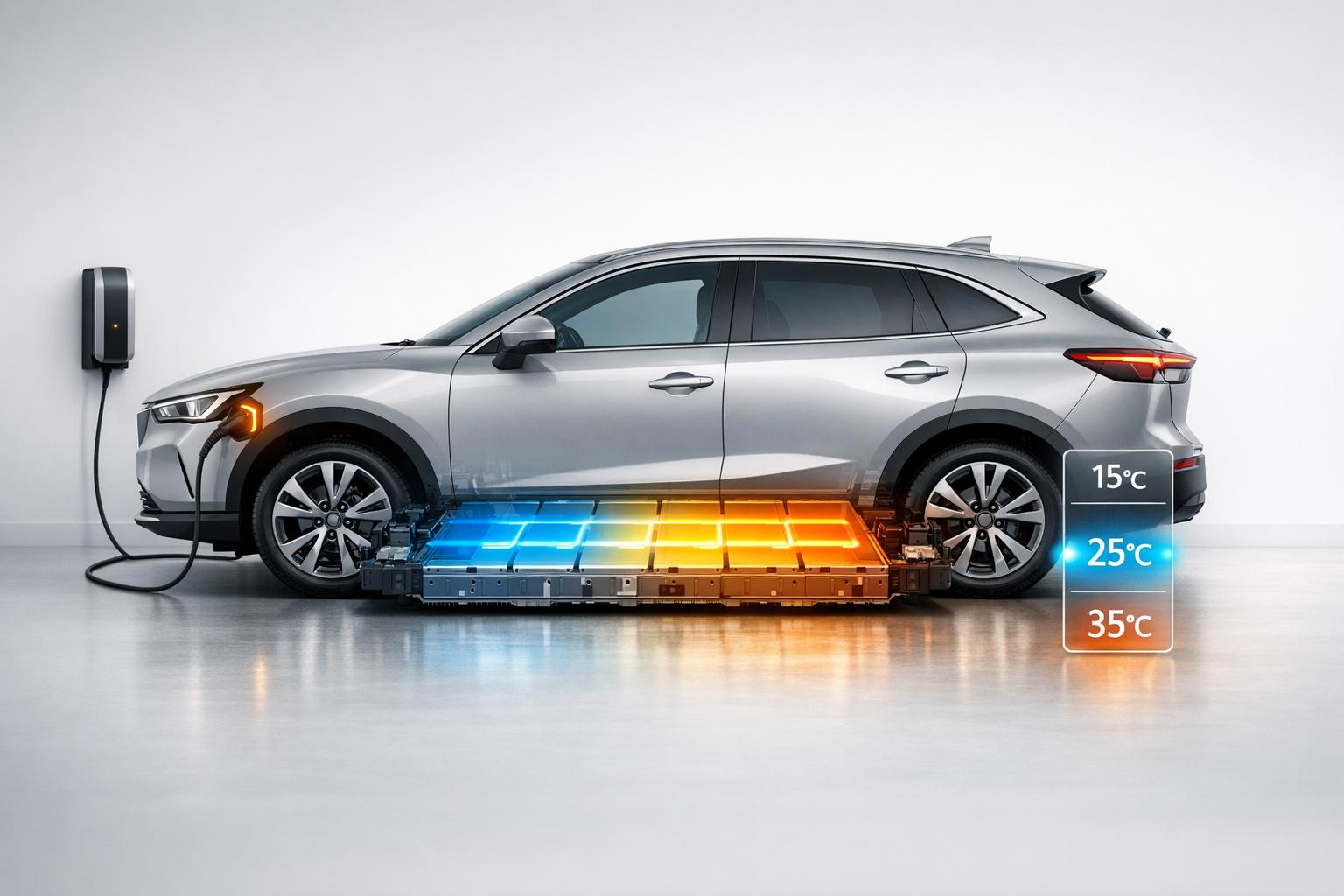
Additionally, telematics systems can flag harmful charging behaviours, such as vehicles consistently being charged above 80% or allowed to drop below 20%. These conditions can increase degradation rates to 2.0% annually. Adjusting protocols to avoid these extremes, and taking precautions like shaded or indoor parking in hot climates (which can reduce degradation by 0.4% annually), further helps preserve battery health.
These methods not only extend the lifespan of EV batteries but also impact fleet costs in a meaningful way.
Cost Savings Over Time
Strategic charging management results in long-term financial benefits. For instance, low-power charging reduces battery degradation to 1.5% per year, compared to 3.0% with frequent high-power charging. This slower degradation extends battery replacement cycles and boosts resale value. Moreover, having objective SOH data strengthens warranty claims by providing clear evidence of battery failures.
Scheduling charging during off-peak hours offers additional savings by lowering energy costs and reducing the risk of overcharging or overheating, which can cause permanent damage to battery capacity. Balancing high utilisation - which can increase degradation by roughly 0.8% annually - with optimised vehicle deployment allows fleets to maximise efficiency. With data-driven insights into actual battery range and nearby charging station locations, fleets can also minimise unnecessary energy consumption through smarter route planning.
These practices collectively ensure that fleets not only reduce operational costs but also maintain the reliability and longevity of their EV batteries.
Advantages and Disadvantages
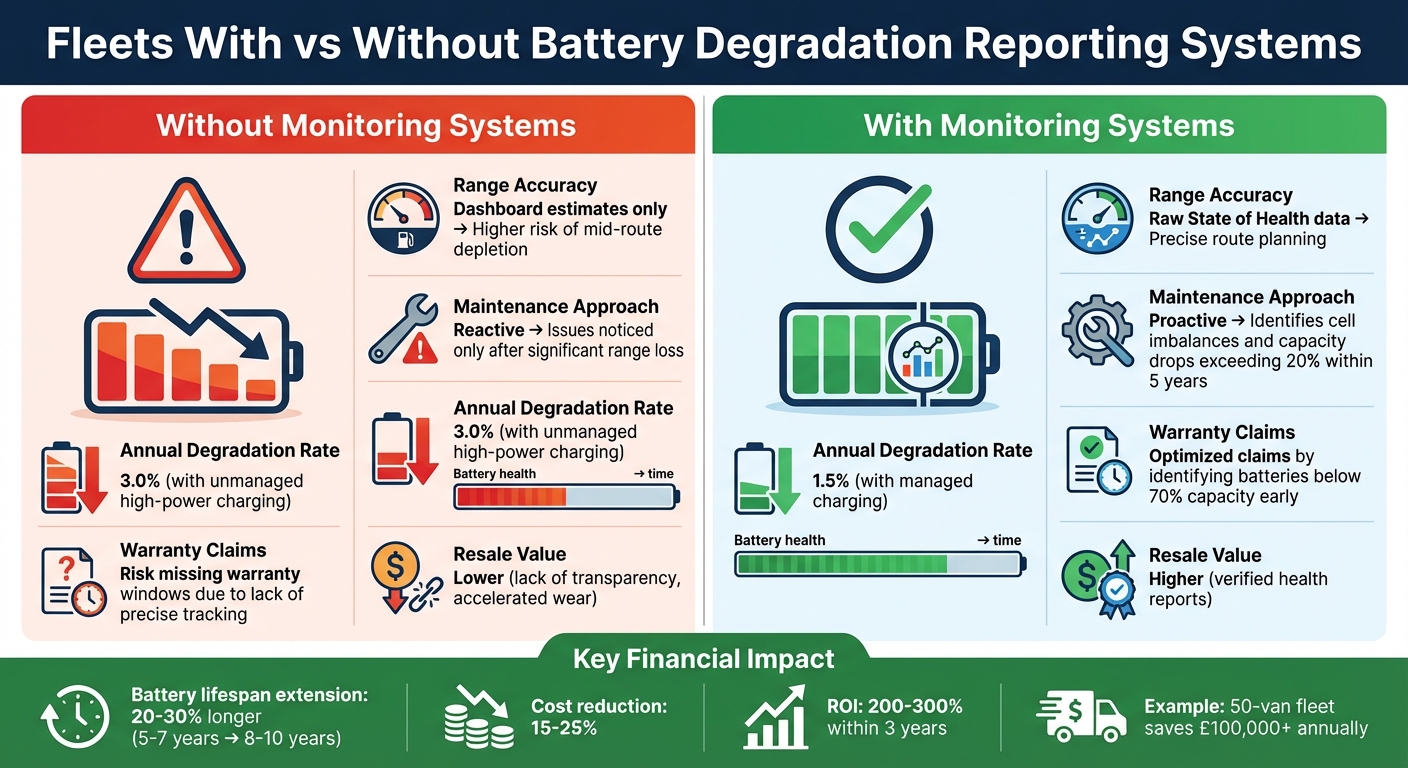
Battery Degradation Reporting: Fleet Performance Comparison With vs Without Monitoring Systems
Battery degradation reporting systems bring a mix of benefits and challenges that can significantly influence a fleet's return on investment (ROI). While these systems enhance fleet management in multiple ways, they also come with certain trade-offs.
One of the standout benefits is how these systems improve operational efficiency. They go beyond simple data collection, affecting everything from daily costs to the long-term value of fleet assets. For example, managed charging practices - enabled by these systems - can slow battery degradation, extend battery life, and even enhance resale value by providing verified health reports.
But there are some hurdles to consider. Rolling out these systems involves upfront costs for hardware and software, as well as ongoing training to ensure fleet managers can interpret the data effectively. The table below highlights the operational differences between fleets with and without such systems:
| Metric | Fleets With Reporting Systems | Fleets Without Reporting Systems |
|---|---|---|
| Range Accuracy | Uses raw State of Health data for precise route planning | Relies on dashboard estimates; higher risk of mid-route depletion |
| Maintenance | Proactive; identifies cell imbalances and capacity drops exceeding 20% within five years | Reactive; issues are only noticed after significant range loss |
| Annual Degradation | Reduced to ~1.5% with managed charging | Can reach 3.0% with unmanaged high-power charging |
| Warranty Claims | Optimises claims by identifying batteries below 70% capacity early | Risks missing warranty windows due to lack of precise tracking |
| Resale Value | Higher, supported by verified health reports | Lower, due to lack of transparency and potential accelerated wear |
These differences underscore the value of strategic battery management in boosting long-term fleet performance. Beyond operational improvements, these systems also align with environmental goals. Charlotte Argue, Senior Manager of Sustainable Mobility at Geotab, explains:
Intensive utilisation maximises the displacement of internal combustion fuels, saving on costs and directly advancing fleet sustainability and carbon reduction targets.
Conclusion
Battery degradation reporting systems can provide a strong return on investment (ROI) for UK fleets operating electric vehicles (EVs). Fleets using these systems often see batteries lasting 20–30% longer, extending their lifespan from 5–7 years to 8–10 years. This also reduces costs by 15–25% through predictive maintenance. For a fleet of 50 vans, this equates to annual savings of over £100,000, with an ROI of 200–300% within three years.
A practical example comes from a UK logistics company managing 200 EVs. By adopting degradation reporting, they cut battery failures by 40% and saved £250,000 annually on replacements and downtime. Vehicle uptime increased to 97%, and the system paid for itself in just 14 months.
The benefits extend beyond financial savings. These systems also contribute to environmental goals by reducing battery waste by 25% and cutting Scope 3 emissions by 10–20% per vehicle. This supports the UK's net-zero targets and the 2035 EV mandates. Additionally, improved ESG reporting enhances corporate environmental accountability.
The financial and environmental advantages make a compelling case for adoption. UK fleet managers should consider starting with a pilot programme covering 20% of their fleet to confirm the benefits. GRS Fleet Telematics offers degradation reporting at £7.99 per month, using dual-tracker technology. This is a low-risk, high-reward step that extends EV lifespan while contributing to sustainability goals.
FAQs
What battery health metrics should a fleet track?
To keep a close eye on battery health, fleets should focus on tracking critical metrics like State of Charge (SoC), State of Health (SoH), temperature, and cycle count. These figures offer essential insights into how well the battery is performing and its expected lifespan.
How do I run a pilot and measure ROI quickly?
To get a quick idea of ROI, start with a small-scale pilot programme. Use real-time telematics data to monitor key metrics like vehicle performance, battery health, and driver behaviour. Select a representative sample of vehicles and define clear, measurable goals - such as cutting downtime or extending battery life. Then, compare the telematics costs against the savings made during the trial. Many fleets find they recover costs in just a few months through lower maintenance expenses and smoother operations.
What charging habits cause the most battery wear?
When it comes to preserving your battery's health, charging habits play a significant role. Frequent use of high-power DC fast chargers (those delivering over 100 kW) can speed up battery wear, potentially doubling the rate of degradation compared to using lower-power charging options.
Additionally, consistently charging your battery to 100% or letting it drop below 20% can contribute to faster ageing. To keep your battery in better condition for longer, try to stick to moderate charging levels and avoid extreme states of charge whenever you can.