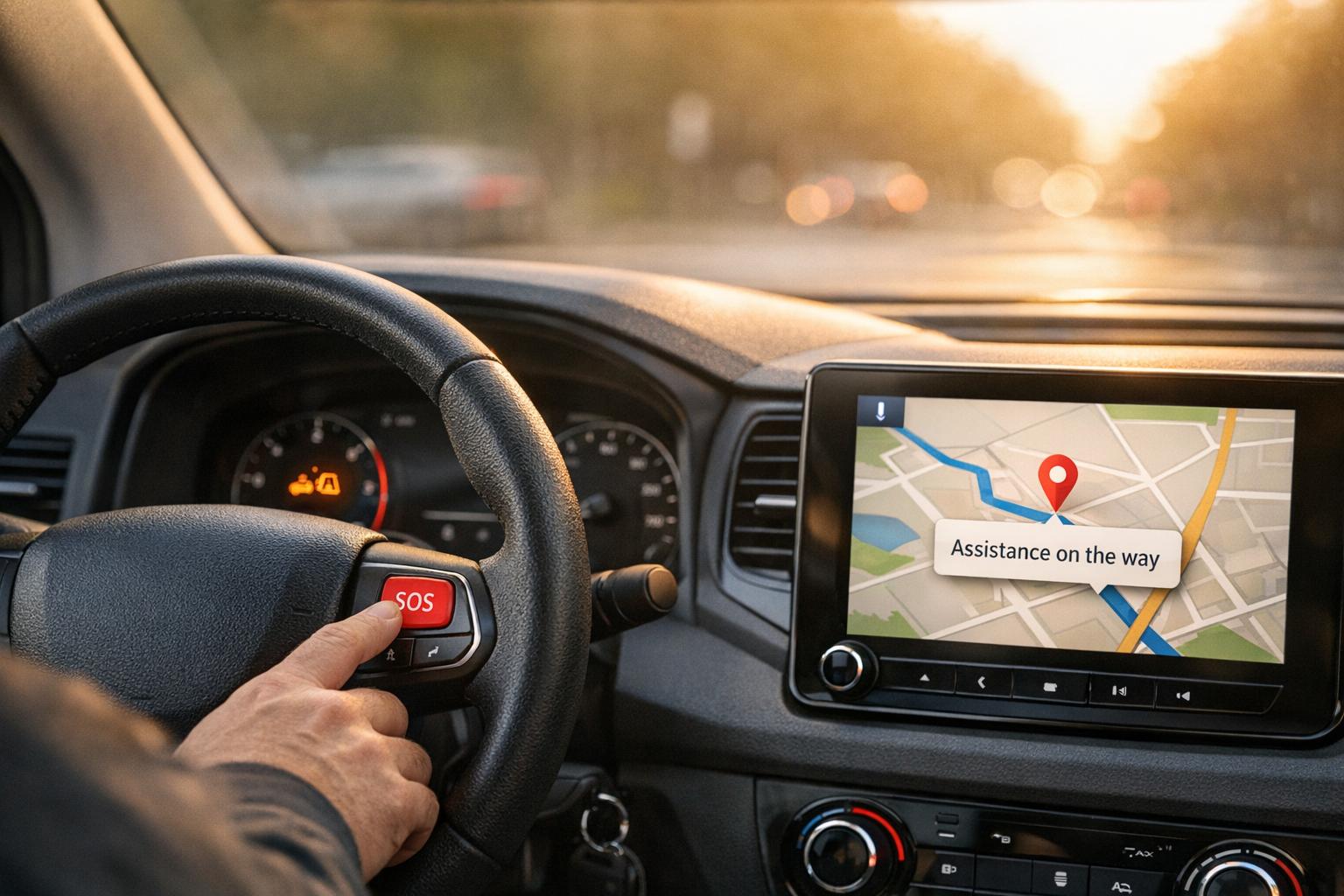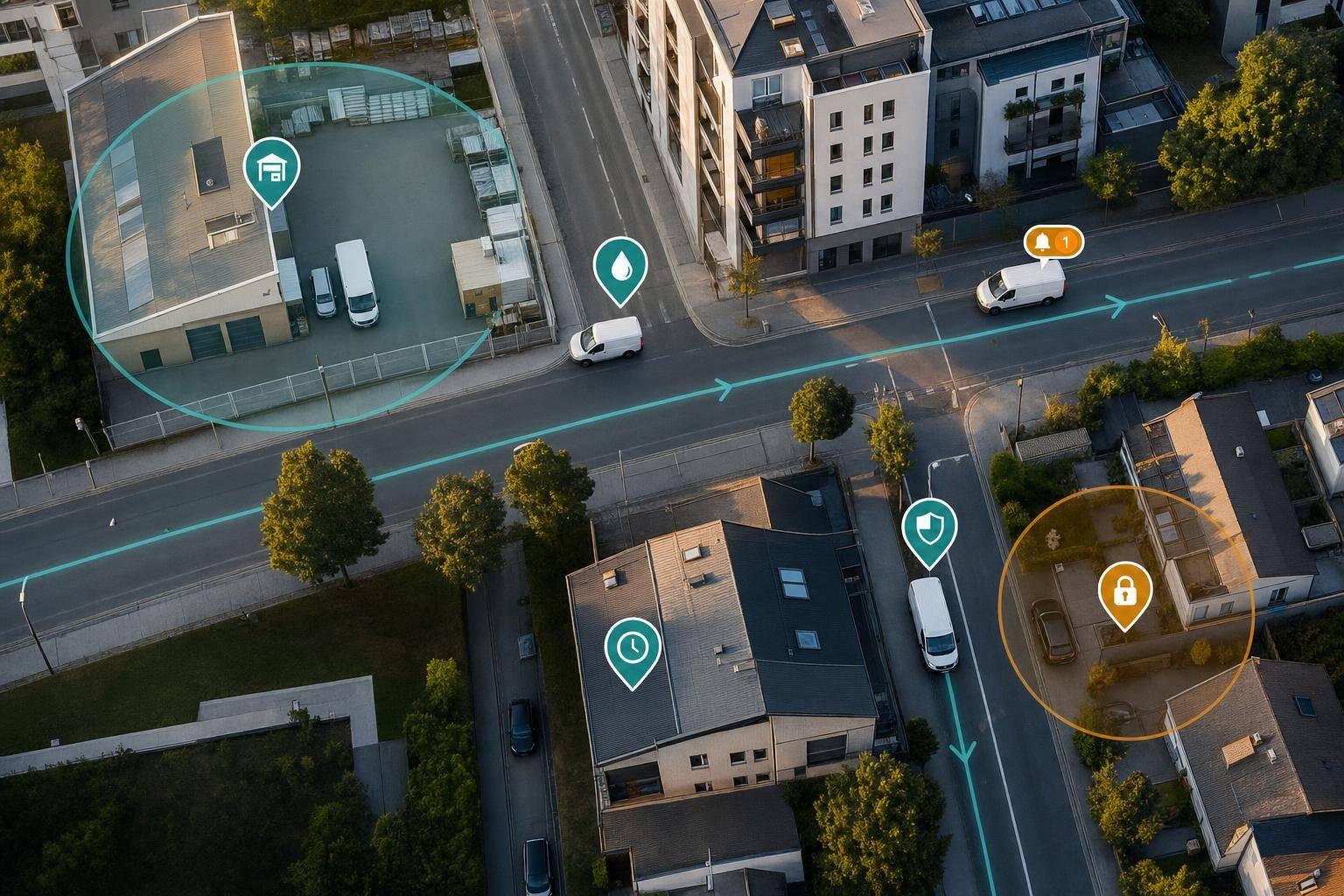
Lane Departure Alerts Cut Fleet Crash Risk
Lane departure alerts cut crashes - but only when fleets review events, coach drivers and fix repeat problems to reduce downtime.
If I had to sum it up in one line: lane departure alerts can cut crashes, but only if I use the data to coach drivers and fix repeat problems.
For a van fleet, a small lane drift can turn into repair bills, days off the road, missed jobs, and higher insurance costs. The article shows that:
- Lane drift often leads to sideswipes, run-off-road crashes, and, in some cases, head-on collisions.
- LDW warns the driver, while LKA can help steer the van back into lane.
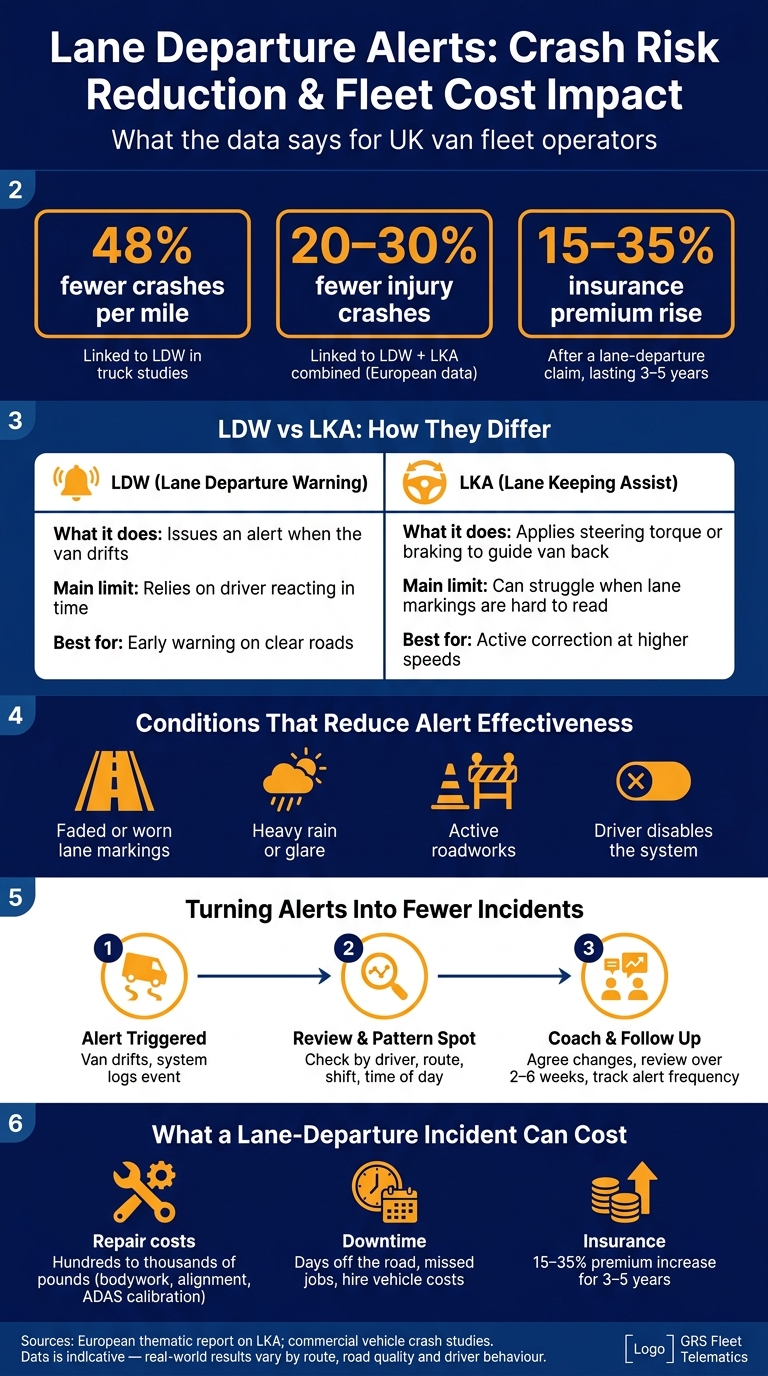
- One truck study linked lane departure warning to about 48% fewer crashes per mile.
- LKA has been linked to about 20% to 30% fewer injury crashes tied to lane departure.
- After a crash, insurance premiums may go up by 15% to 35% for 3 to 5 years.
- Alerts work best in good road-marking and weather conditions. They can fail on faded lines, in glare, rain, or roadworks.
- The main win comes from checking events by driver, route, and shift, then coaching based on what happened.
My key takeaway: fitting the system is only the first step. If I want fewer crashes and better van availability, I need to review alerts often, spot patterns, and act on them.
A simple way to look at it:
| System | What it does | Main weak point |
|---|---|---|
| LDW | Warns when the van drifts out of lane | Depends on the driver reacting in time |
| LKA | Warns and gives light steering or brake input | Can struggle when lane lines are hard to read |
So the core point is simple: alerts can cut risk, but follow-up is what turns warnings into fewer incidents and less downtime.
Lane Departure Alerts: Crash Risk Reduction & Fleet Cost Impact
The problem: how lane drift leads to crashes and lost vehicle time
Even a small lane-departure incident can put a van out of action and set off a chain of repair, hire and admin costs. The bigger hit often comes after the impact: vehicle downtime.
Direct and indirect costs for fleet operators
If a van clips a barrier or another vehicle, it may need bodywork, wheel alignment and ADAS calibration. Some of that damage won’t be obvious at a glance, but it still needs to be checked before the van goes back on the road. Once alignment or calibration work is involved, repair costs can climb into the hundreds or thousands of pounds.
Then there’s the delay. Approval for repairs and parts hold-ups can leave a van off the road for days. During that time, fleet operators may have to hire a replacement, move jobs around, or send another driver to pick up the work. And that’s before claims costs, hire charges and lost work are factored in.
Claims can also drain management time for weeks or months. If lane-departure incidents keep happening, insurers may take a harder line too, with premiums rising by 15% to 35% for three to five years.
| Cost Category | Estimated Impact (UK) |
|---|---|
| Vehicle repair / replacement | Can quickly run into hundreds or thousands of pounds |
| Daily downtime (productivity) | Lost jobs, missed SLAs and route disruption |
| Insurance premium increase | 15%–35% for 3–5 years |
Why vans face repeated lane-keeping risk
In mixed-driver fleets, one van can be low-risk one week and high-risk the next, simply because a different person is behind the wheel. Without driver-level data, that pattern is easy to miss. That’s the gap lane departure alerts and coaching are meant to expose.
The solution: how lane departure alerts reduce crash risk
Lane Departure Warning (LDW) and Lane Keeping Assist (LKA) are built to tackle the same problem: lane drift. But they do it in different ways. That matters because lane drift is often the final moment before a sideswipe or a run-off-road crash.
How lane departure alerts work in real driving
A forward-facing camera reads the lane markings and tracks the van’s position on the road. If the van starts to drift without an intended manoeuvre, the system sends an audible, visual or haptic alert. That gives the driver a small but important window to correct the vehicle’s path.
On a motorway, that split-second warning can make all the difference. A slight correction made earlier may stop a sideswipe before it happens. LKA goes one step further. If the van continues to drift after the warning, the system adds a gentle steering torque - or braking on one side - to guide the vehicle back into lane. So this isn’t just a feature that sounds good on paper. It can help in day-to-day driving.
What the evidence says about crash reduction
The evidence is mostly encouraging. Studies have linked LDW with lower rates of lane-departure crashes in passenger vehicles, and with much stronger reductions in commercial vehicles. One truck study found around a 48% lower crash rate per mile.
When LDW and LKA are used together, the effect looks stronger. A European thematic report found that LKA reduced injury crashes linked to lane departure by approximately 20–30%.
Fleet managers should treat those figures as a guide, not an exact promise. Results in the real world depend on things like route type, the quality of road markings, and how often drivers keep the systems switched on and respond to them as intended.
Where LDW and LKA fall short on their own
These systems have clear weak spots. They struggle when lane markings are worn, faded or blocked from view. That’s common on older rural roads and around roadworks. Poor weather and glare can also make it harder for the camera to read lane boundaries, and in some cases the system may disengage altogether. In plain terms, the crash-reduction effect from LKA with LDW is mostly tied to good conditions. When the road gets harder to read, the benefit can drop off at the exact moment a driver may need it most.
Driver response is another weak point. A warning only helps if the driver notices it and reacts in time. If the system throws up nuisance alerts on narrow roads or in heavy traffic, some drivers may switch it off. Once that happens, the safety gain disappears.
The table below shows the main differences between the two systems for UK van fleet use.
| LDW | LKA | |
|---|---|---|
| How it intervenes | Issues an alert when the van drifts without a clear intentional manoeuvre | Applies steering torque or braking to guide the van back into lane |
| Main limits | Relies entirely on driver response; less effective on poorly marked roads or in adverse conditions | Gentle correction can be overridden; risk of driver over-reliance in poor weather |
| Target crash types | Single-vehicle road departures, sideswipes, head-on collisions | Same, with stronger benefit at higher speeds |
LDW and LKA tend to work best as part of a broader safety setup, not as a fix on their own. Alerts can point to risk, but fleets get more from them when they use the event data to spot repeat patterns and coach drivers well.
Making alerts work: telematics data and driver coaching
Lane departure alerts only cut risk when fleets do something with them. An alert matters when it leads to review and coaching. The safety gain comes from checking the event, spotting the pattern, and helping the driver change course. That’s how raw alerts turn into a coaching plan.
Using event data to spot high-risk driving patterns
One lane-departure alert, by itself, doesn’t tell you much. Put it next to speed, harsh braking, cornering, acceleration, route choice, and time of day, and the picture gets a lot clearer.
Repeated alerts late in a shift or after long motorway runs can point to fatigue. Clusters of events on busy urban routes may suggest distraction. If the same alerts keep showing up on one road, bend, or narrow lane, the issue may sit with the route or road layout, not just the driver’s behaviour.
The main thing is to look for repeat patterns tied to the driver, vehicle, route, or shift pattern. That’s usually where action has the most impact. Repeated alerts on the same route or at the same time of day often point to the conditions behind sideswipes and run-off-road crashes. A sudden jump in alerts after a schedule change or workload spike is also worth a close look, because it can flag an operational problem that coaching on its own won’t solve.
Sometimes the better fix is to change the route or allow more time for journeys. Those patterns give managers a clear starting point for the next chat.
How to coach drivers after lane-departure events
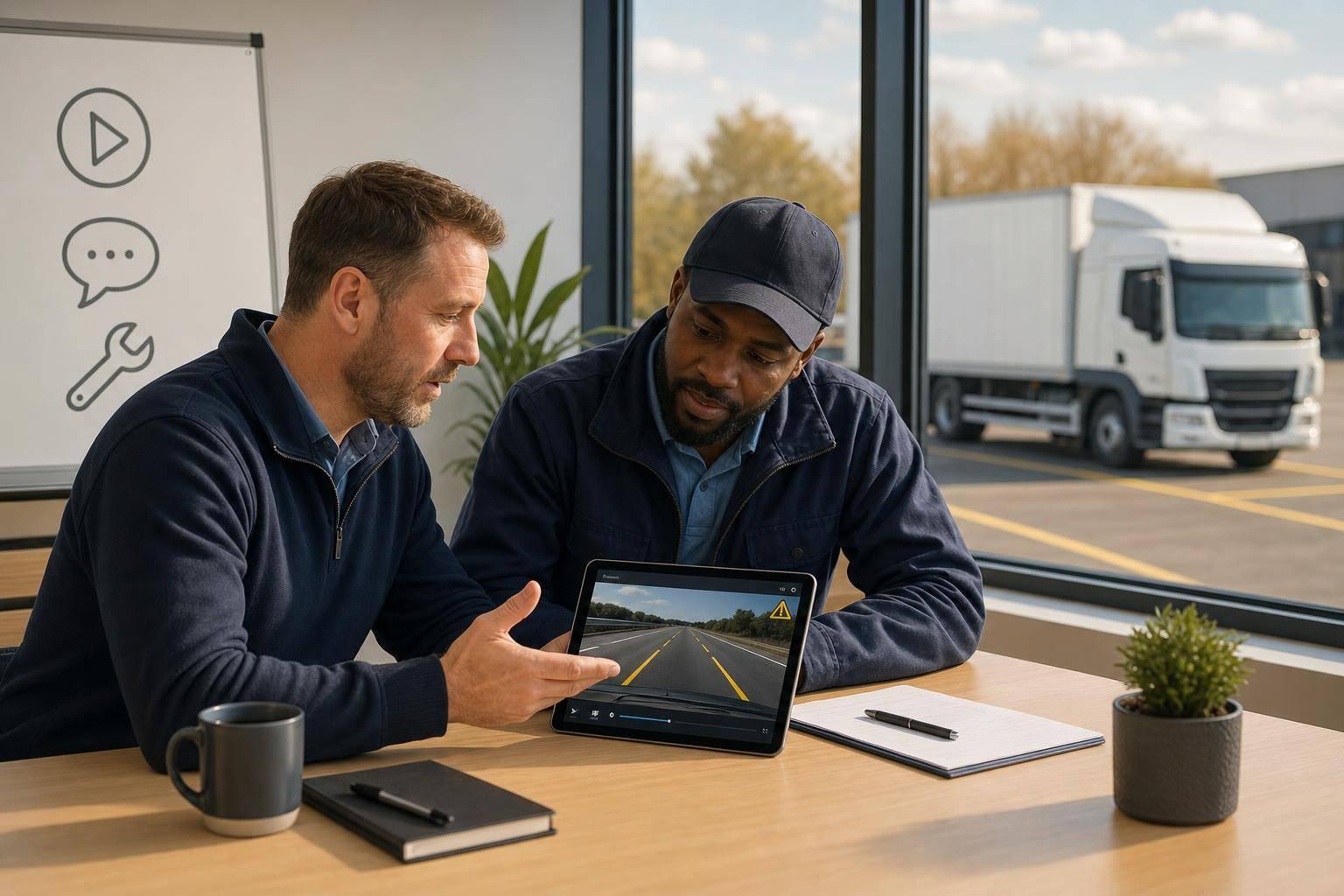
The first conversation after a lane-departure event should be supportive, not punitive. Drivers respond better when they can see the exact context - the date, route, and speed - instead of hearing a vague complaint. That keeps the discussion centred on behaviour and conditions, rather than blame.
From there, keep it simple:
- Agree on one or two clear changes
- Follow up over a two-to-six-week period
- Check whether alert frequency drops
- Review linked behaviours, such as staying within the speed limit and harsh braking
Coaching without follow-up rarely works. Managers need to check that the agreed habit has stuck. That follow-up is what turns one-off alerts into fewer repeat incidents. Fewer repeat alerts can also mean fewer repairs, less downtime, and fewer missed jobs.
If alerts carry on after feedback, and the driver shows no improvement or ignores agreed corrective action, formal performance management should begin. Policy should support coaching, not stand in for it.
Where GRS Fleet Telematics fits
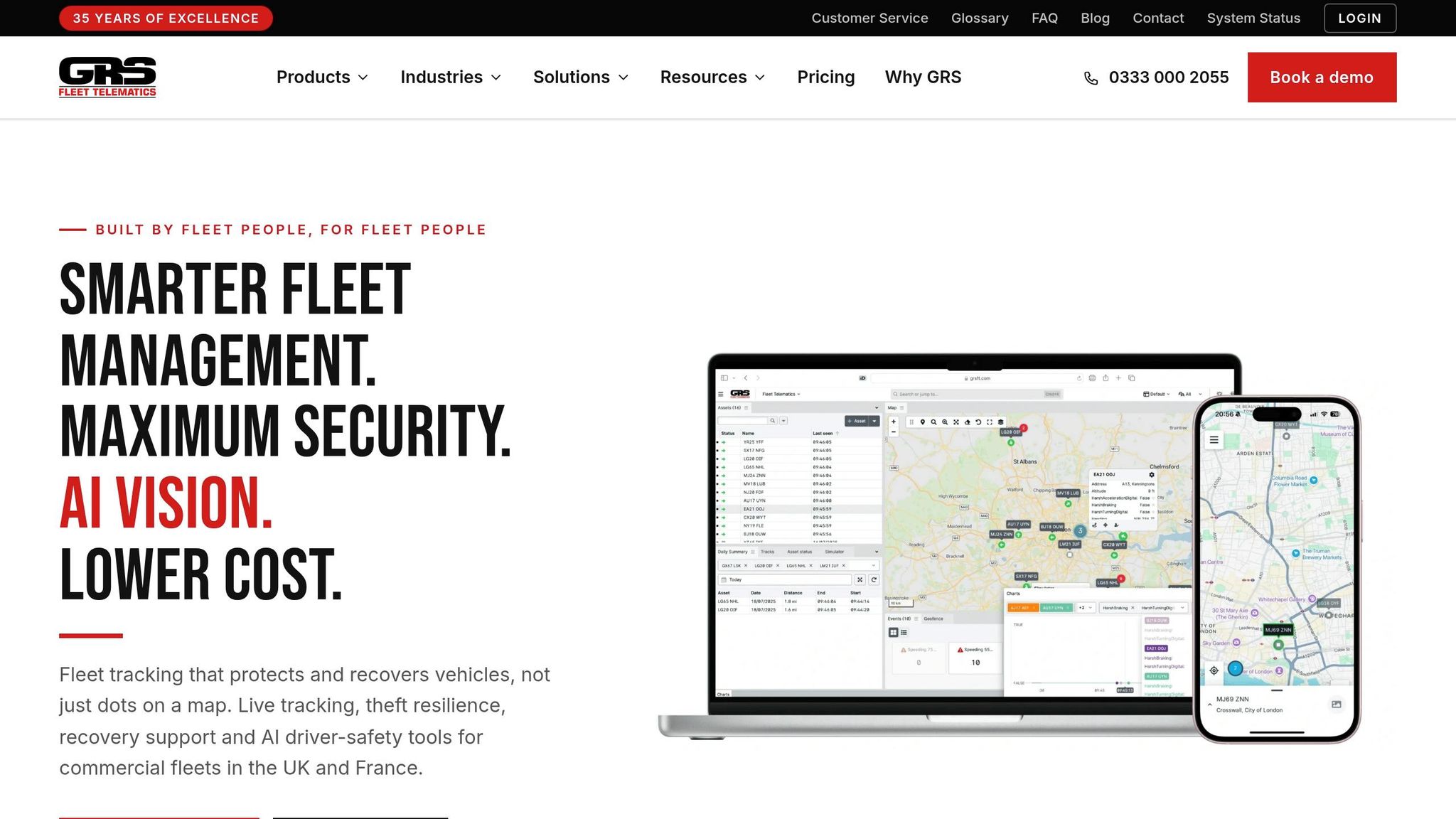
Telematics makes this process much easier by logging lane events alongside driver behaviour. GRS Fleet Telematics can help by combining vehicle tracking with driver safety data, so managers can review lane events in context and coach the right drivers.
Conclusion: fewer incidents mean better van availability
Lane drift creates a clear crash risk. It can lead to sideswipes, road departures and downtime that could have been avoided.
The answer isn't just installing an alert and hoping for the best. What matters is what a fleet does with the events that system records. Lane departure alerts can cut risk, but the biggest gains tend to come from reviewing those events and coaching drivers based on what actually happened. One analysis of large commercial vehicles found around a 48% reduction in crash rate per mile. But results like that rely on steady follow-up, not the alert by itself.
This is where event data matters. Telematics turns lane alerts into something a manager can use, not just a warning on a screen. It helps teams spot repeat issues by driver, route or shift, then tie those patterns to fewer incidents and fewer days off the road.
Key points for fleet managers
For fleet managers, the priority is simple:
- Review lane-departure alerts often, not only after a collision
- Coach drivers using recorded events, not broad safety reminders
- Track incident and downtime trends to check if the changes are working
GRS Fleet Telematics can combine van tracking solutions with driver-behaviour data, making it easier to spot lane-departure patterns and cut avoidable downtime.
FAQs
Do lane departure alerts work on all roads?
No. Lane departure alerts don’t work on every road.
They depend on AI, computer vision, road quality, traffic conditions, and clear lane markings to work with good accuracy. Results can vary based on the type of road and the setting, because the system has to tell the difference between a genuine risk and a safe manoeuvre.
What’s the difference between LDW and LKA?
LDW (Lane Departure Warning) lets the driver know when the van begins to drift out of its lane, giving them a chance to correct it before it turns into a bigger problem.
LKA (Lane Keep Assist) takes things a step further by helping with steering or braking to guide the van back into its lane. Used together, these features can cut the risk of sideswipe incidents and help make UK van fleets safer.
How should fleets respond to repeated lane alerts?
Fleet managers should use telematics data to look for patterns, instead of treating every alert as a one-off event. Trend reports and driver scorecards make it easier to spot what’s actually going on beneath the surface, so managers can pinpoint specific issues and give targeted, non-confrontational coaching.
That matters because it helps separate repeat risky habits from situations a driver couldn’t avoid. From there, training or refresher sessions can focus on the behaviours that keep showing up, which can help cut down future incidents.