Best Fleet Tracking Devices for Buses in Birmingham
Compare AVL and telematics options for Birmingham bus fleets, covering BODS/SIRI-VM, RTPI, CANbus, installation and pricing.
 By Michael Bar8 min read
Overview
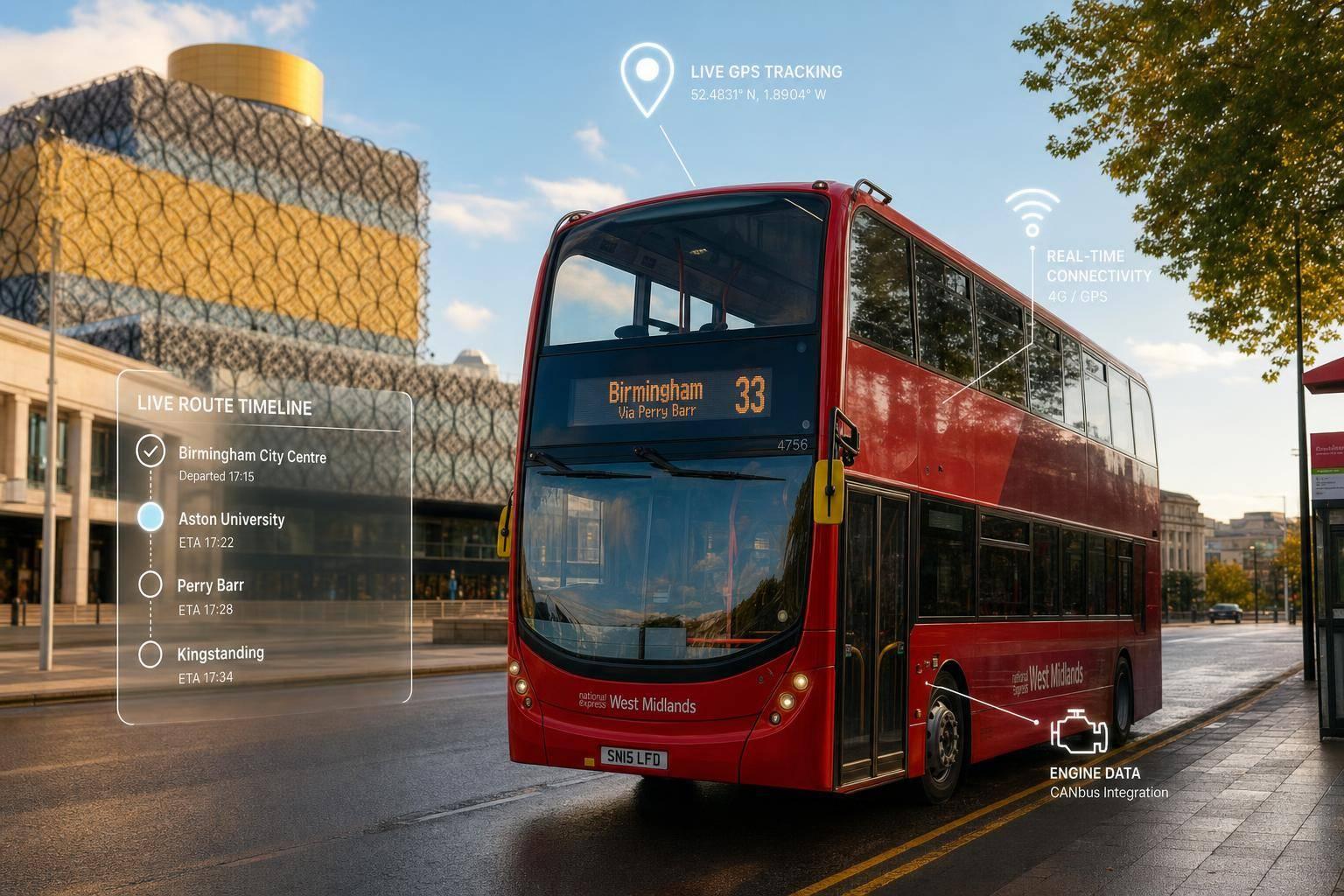
This guide compares fleet-tracking and automatic vehicle-location solutions suitable for buses operating in Birmingham and the wider West Midlands. For scheduled services, the strongest choices combine live vehicle location with timetable, passenger-information and Bus Open Data Service (BODS) connectivity rather than relying on a basic stolen-vehicle tracker. The West Midlands has an established AVL and real-time information precedent: a regional project deployed GPS equipment on approximately 2,500 buses and supported real-time prediction, passenger information and fleet-management operations.
Key Features for Buses, including scheduled public-service, school, community and private-hire buses Tracking in Birmingham and the wider West Midlands, UK
- Live GPS/AVL location and historical journey replay
- Timetable and journey association for accurate service monitoring
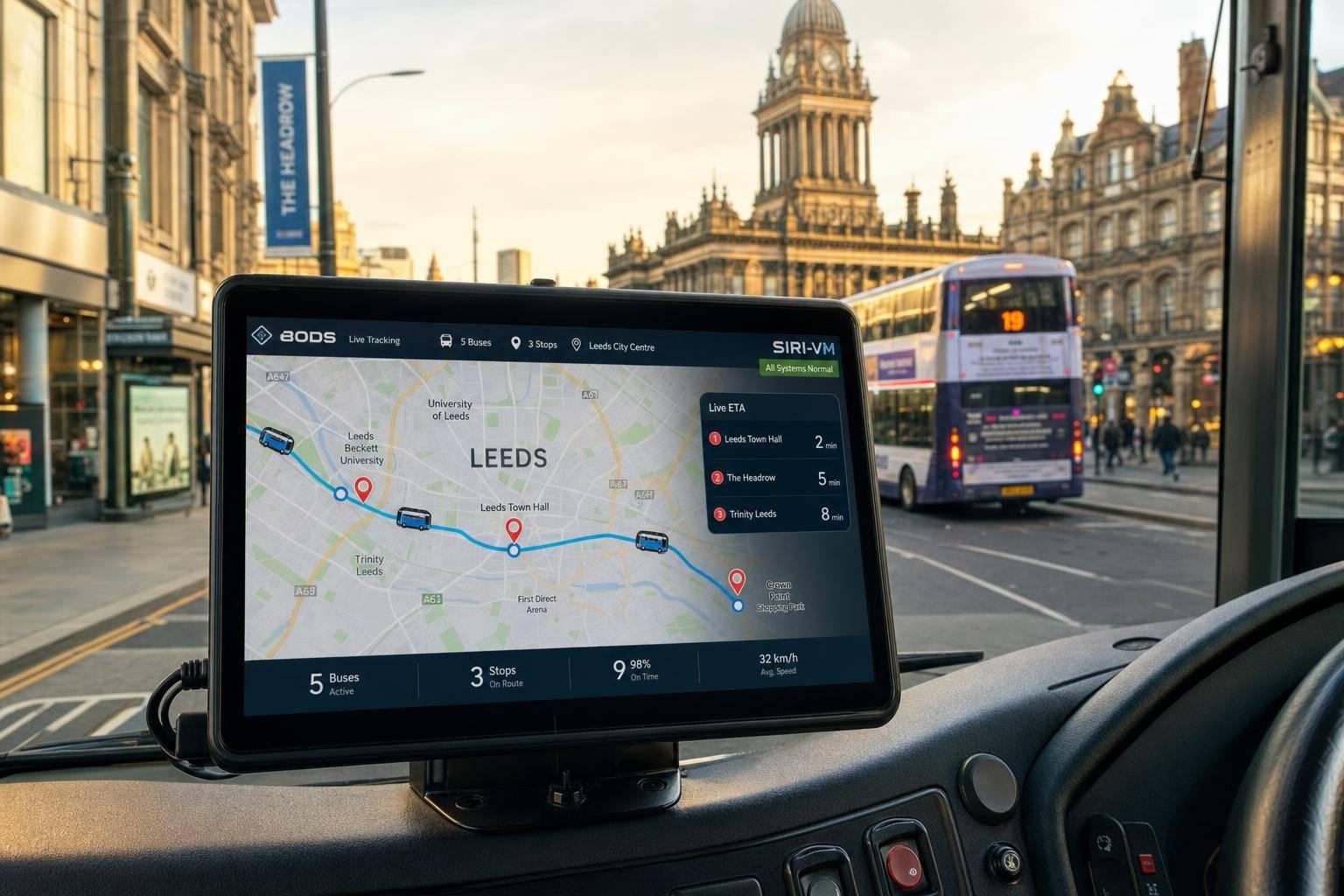
- BODS-compatible SIRI-VM data feeds for eligible scheduled services
- Real-time passenger information (RTPI) and API/platform integration
- Driver behaviour, speeding and event alerts
- CANbus, fuel/energy and vehicle-health data
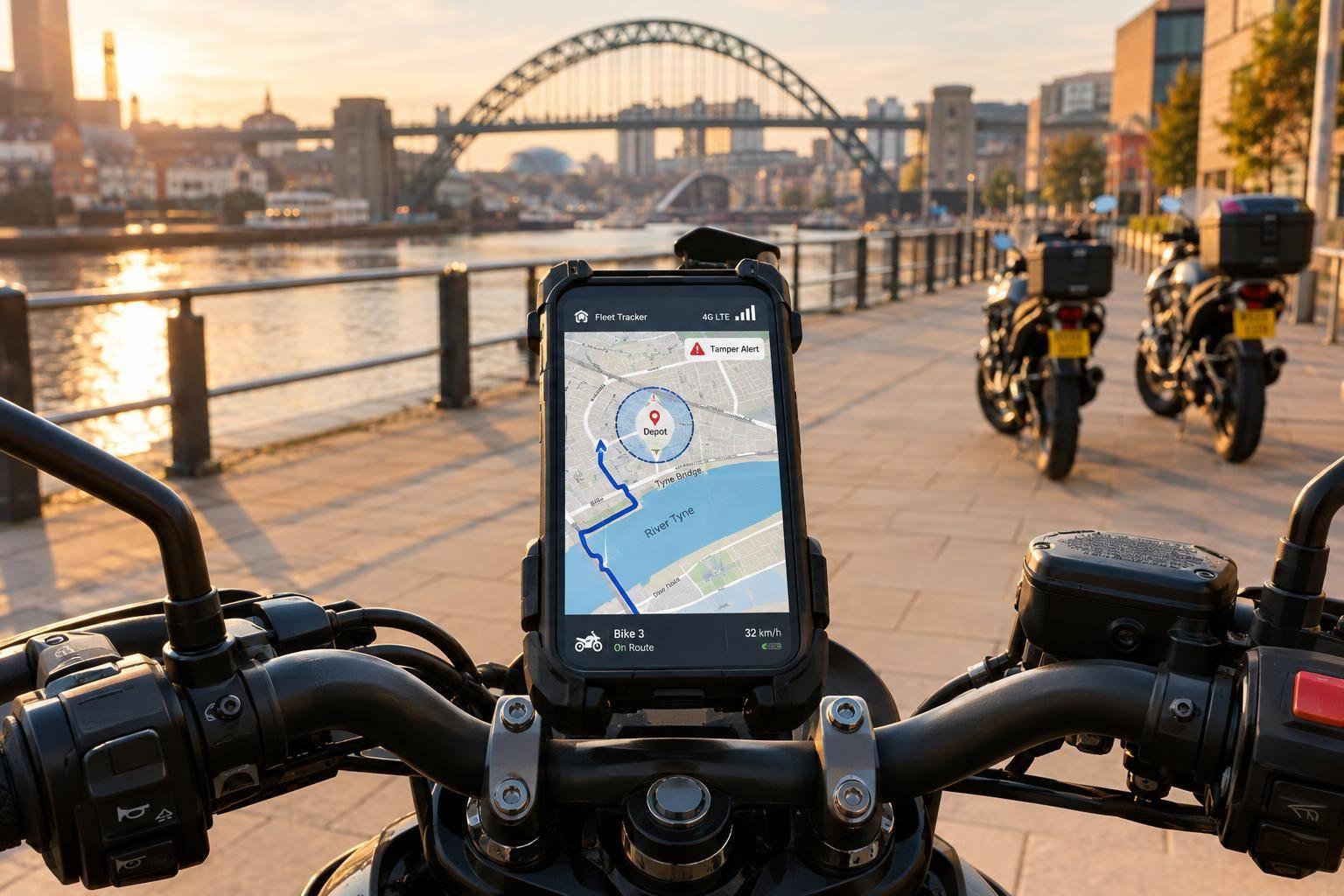
- Geofencing and depot/route exception alerts
- 4G/5G connectivity and cloud dashboards
- CCTV, incident evidence and remote video options where required
- Electric-bus state-of-charge monitoring where supported
Technical Specifications
Confirm modem generation, input voltage, IP rating, backup battery, bus wiring method and API/BODS integration in the technical schedule. Confirm 4G coverage, power draw, antenna placement, enclosure rating and whether a portable unit is appropriate for a permanently operated bus. Confirm supported CAN protocols, vehicle interfaces, temperature/environmental rating and compatibility with the bus OEM systems. Confirm current network technology, backup battery, IP rating, heavy-vehicle installation and integration with operational systems.
Industry and Region-Specific Recommendations
For Birmingham scheduled bus services, prioritise an AVL solution that can associate vehicles with timetabled journeys and publish BODS/SIRI-VM data. For passenger-facing services, ensure the tracker can feed an RTPI or passenger-information platform. For electric buses, require state-of-charge and energy reporting, depot geofences and charging/route monitoring. For school, community or private-hire buses, add safeguarding and incident requirements: geofencing, route replay, driver identification, CCTV health and secure evidence access. Before purchase, obtain written confirmation of Birmingham installation coverage, engineer response times, SIM/network resilience, GDPR and retention controls, API/data ownership, BODS/RTPI interoperability, warranty, driver consultation and training. Compare total cost of ownership: hardware, fitting, monthly connectivity, platform fees, integrations, replacement units and contract exit charges.
Compliance Tips for Buses, including scheduled public-service, school, community and private-hire buses Fleets in Birmingham and the wider West Midlands, UK
For registered local bus services in England, select a system capable of automatically supplying compliant vehicle-location data to the Bus Open Data digital service in SIRI-VM format; the regulations specify updates no less frequently than every 30 seconds and no more frequently than every 10 seconds. For Birmingham/West Midlands operations, confirm compatibility with the region’s real-time passenger-information and AVL arrangements, since a West Midlands AVL project has supported live tracking and journey predictions. If CCTV, video or audio is added, complete a DPIA, establish a lawful basis, provide clear driver/passenger notices and retention rules, and normally keep audio disabled by default under ICO guidance. Also document driver-monitoring purposes, access controls and retention under UK GDPR.
Local Service and Support in Birmingham and the wider West Midlands, UK
Birmingham operators can combine local fitting with national telematics aftercare. Confirm engineer response times, out-of-hours support, SIM/network resilience, warranty handling and integration support in the written quote.
Installation Options in Birmingham and the wider West Midlands, UK
- Self-install for straightforward battery/OBD tracking where the bus hardware and power arrangements permit it.
- Professional installation for permanent wiring, tachograph/CANbus integration, driver identification, CCTV or other complex bus systems.