
Driver Reaction Time Calculator
Estimate how reaction time changes stopping distance with simple speed, braking and road condition calculations for dry, wet or icy roads.
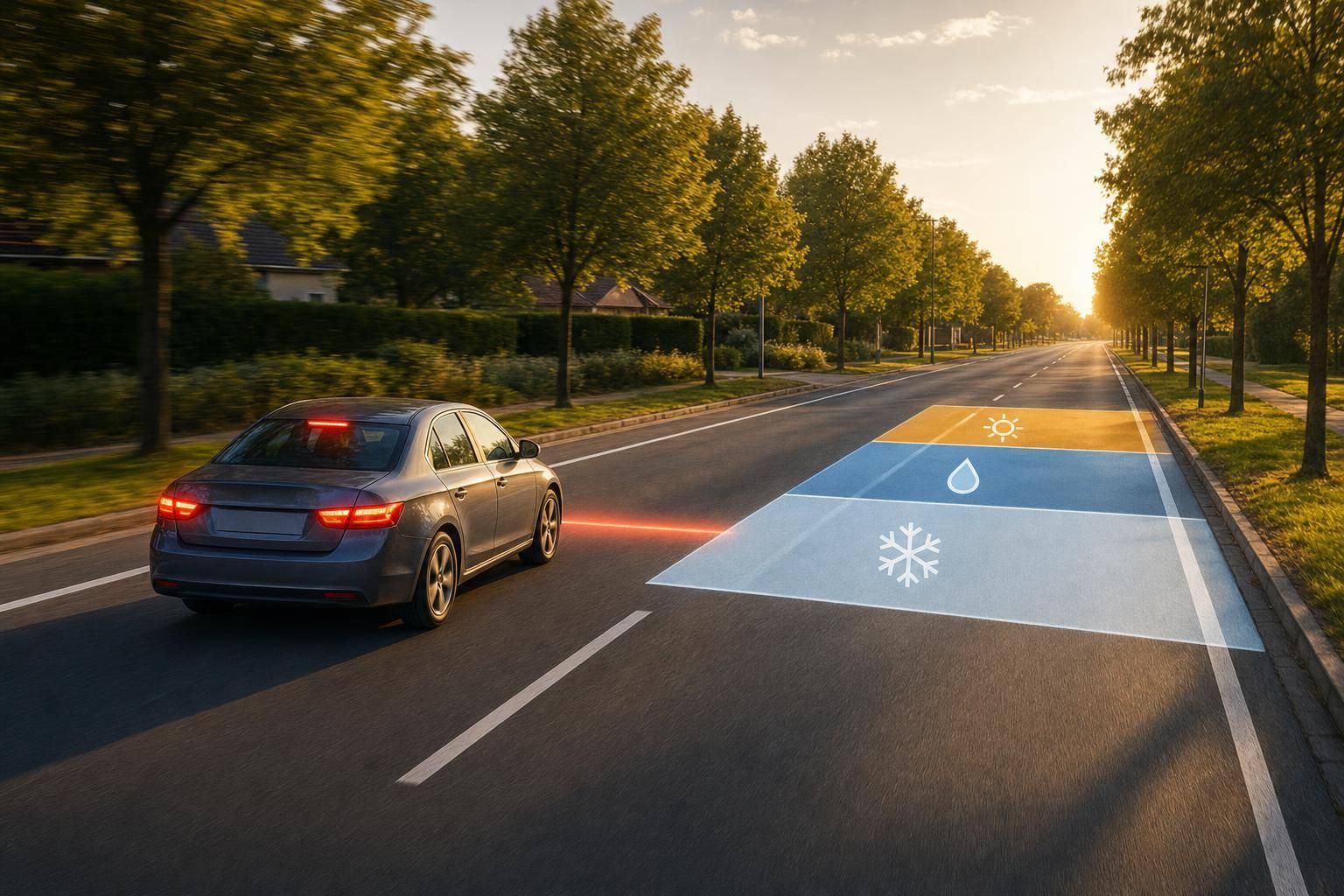
Understand How Reaction Time Changes Stopping Distance
A Driver Reaction Time Calculator helps show something many drivers underestimate: the distance travelled before the brakes are even applied. If a car is moving quickly, even a short delay in reacting to a hazard can add several extra metres to the overall stop. That makes reaction distance just as important as braking performance when thinking about road safety.
What the calculator shows
This tool combines three simple ideas: vehicle speed, driver reaction time, and an estimated braking distance. Once speed is converted into metres per second, it calculates how far the vehicle travels during the driver’s response time. It then adds a braking estimate, with optional road condition context for dry, wet, or icy surfaces.
Why small delays matter
A stopping distance calculator is useful because the numbers rise faster than many people expect. At higher speeds, a small increase in reaction time can produce a much longer total stopping distance. Add poor grip from rain or ice, and the margin for error becomes even smaller.
Used as an educational guide, a Driver Reaction Time Calculator can help learners, instructors, and everyday motorists better understand safe following distances and hazard awareness.
FAQs
What does reaction time mean in this calculator?
Reaction time is the delay between spotting a hazard and starting to brake. During that short moment, the vehicle keeps moving at the same speed, which is why reaction distance can be surprisingly long. Even adding a fraction of a second can noticeably increase the total stopping distance, especially at higher speeds.
How accurate is the stopping distance estimate?
It’s best treated as an educational estimate rather than a precise real-world prediction. The calculator uses a simple braking formula and optional road-condition multipliers to illustrate the effect of speed and surface conditions. Actual stopping distance depends on tyre grip, brake condition, road texture, vehicle weight, weather, and visibility, so real results can vary quite a lot.
Why do wet and icy roads change the result so much?
Lower grip means the tyres have less traction when braking, so the car needs more distance to slow down and stop. That’s why the tool applies a larger braking multiplier for wet and icy roads. It helps show the general impact of reduced road grip, even though real conditions can differ depending on temperature, tread depth, and the exact surface.