Fleet Theft Problems Remote Immobilisation Solves
Remote immobilisation with tracking, geofences and driver ID reduces van theft, prevents unauthorised trips and speeds recovery.
 By Michael Bar8 min read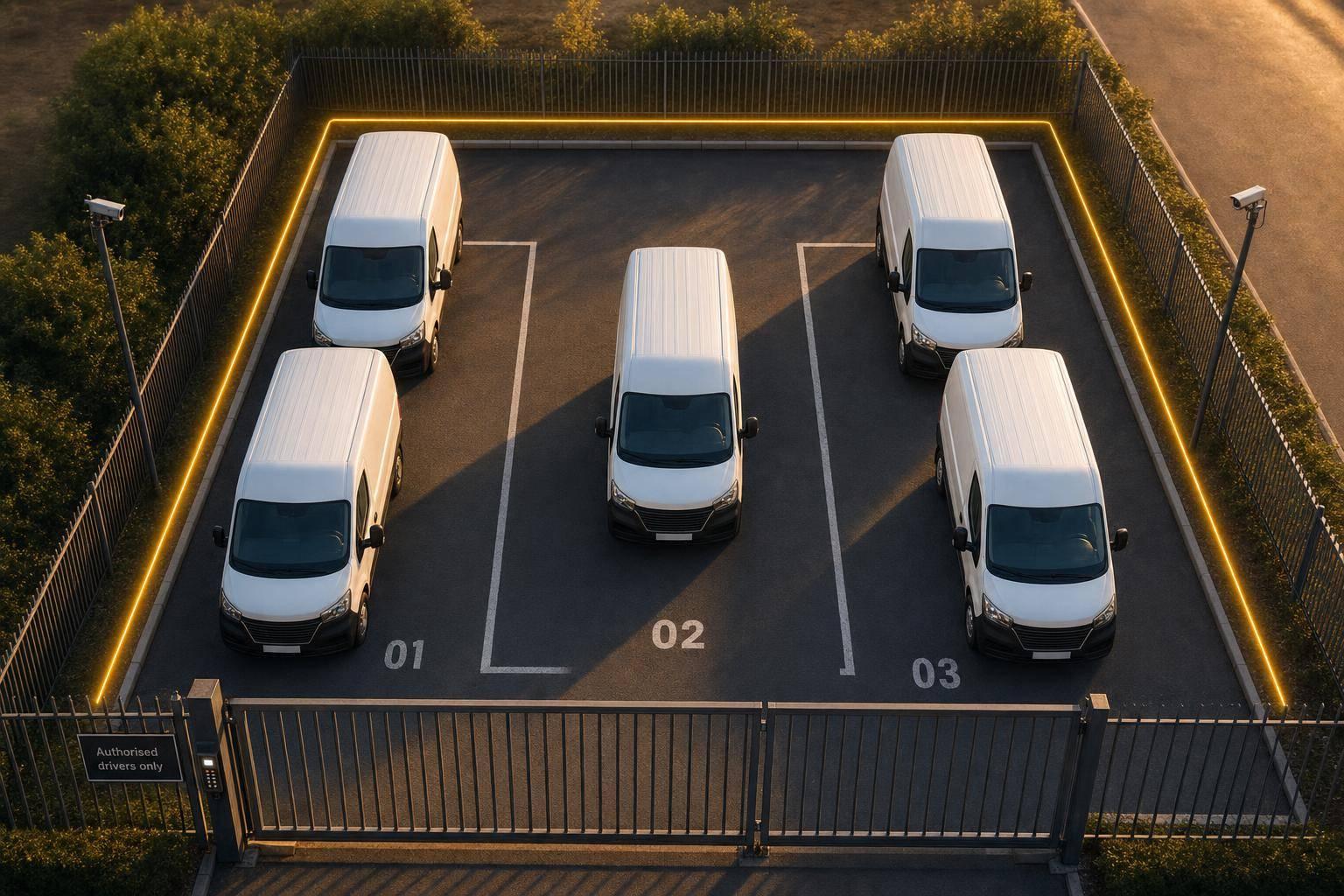
Van theft is a daily problem for UK fleets, and remote immobilisation helps stop a stolen or misused van from being started again once it has been switched off.
I’d sum it up like this: if you run vans, this tool helps you deal with stolen keys, night-time or weekend movement, drivers who should not be using a vehicle, and vans that have gone missing. It works best when I pair it with live tracking, geofences, time alerts, and driver ID checks.
Here’s the full picture in simple terms:
- 11,273 vans were stolen in the UK in 2024
- That’s about 31 vans a day
- Only about 39% were found and recovered
- Remote immobilisation does not cut the engine while a van is moving
- It stops the next start or restart after the ignition is turned off
What problems does it solve?
-
Key theft and drive-away theft
If someone gets the keys or uses a relay attack, the van may look like it is being driven lawfully. Remote immobilisation can stop it being started again after it stops. -
Out-of-hours movement
If a van leaves a depot at 02:00 on a Sunday, that needs checking at once. Geofences and time alerts flag it, and immobilisation can stop more use after the van is parked. -
False starts and unknown drivers
A key alone does not prove the right person is driving. Driver ID checks tie each trip to an approved person and can keep the van off the road if the check fails. -
Lost vans
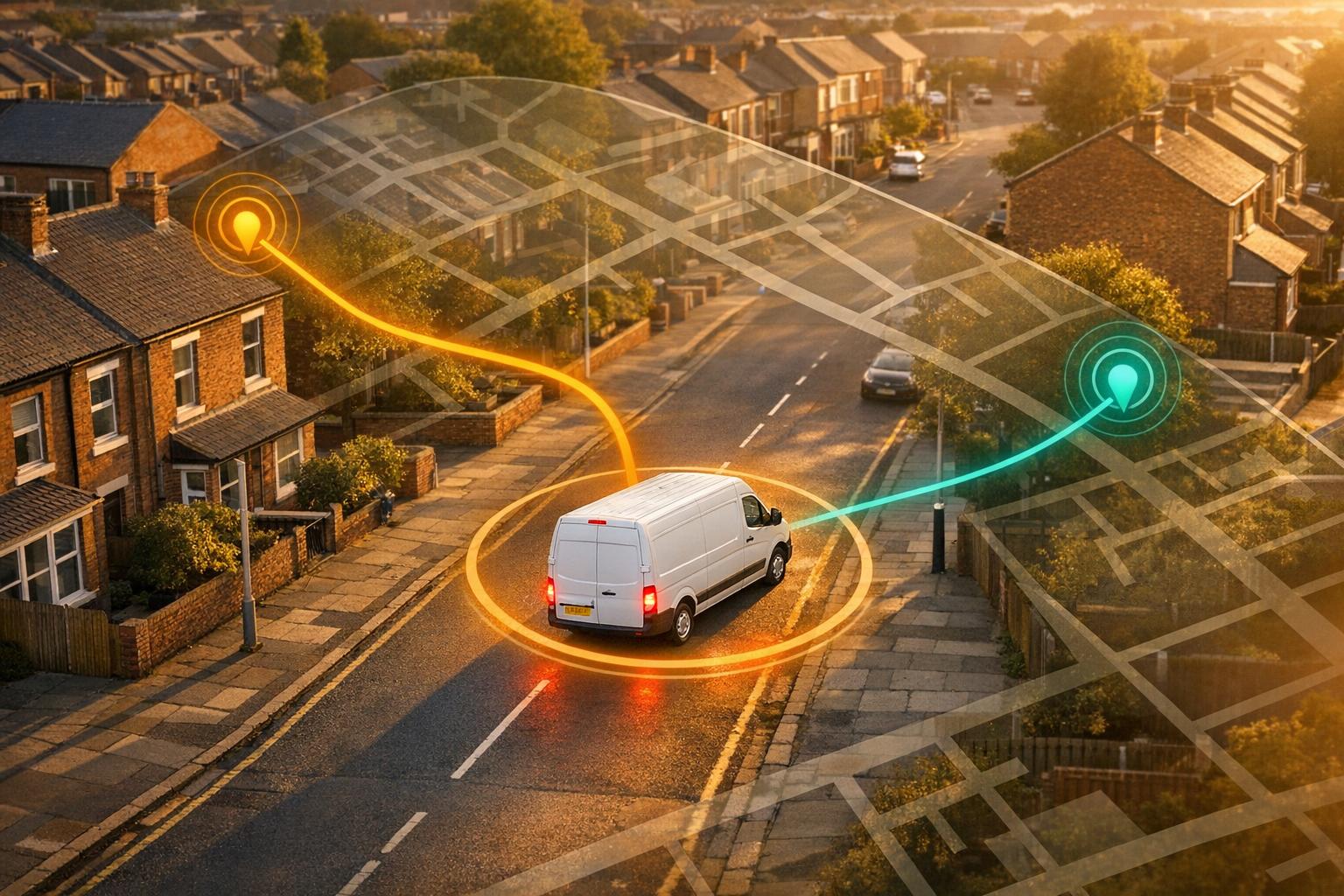
When a van cannot be found, live van tracking shows where it is, where it has been, and when it stopped. Once stationary, immobilisation can stop any restart.
A few points matter just as much as the tech:
- Keep access limited to named managers
- Check the location before sending any immobilisation command
- Record who approved it and why
- Set clear rules for theft, geofence breaches, and failed driver ID checks
| Risk | What helps |
|---|---|
| Stolen keys | Remote immobilisation after stop, tracking |
| Night or weekend movement | Geofences, time alerts, immobilisation |
| Wrong person using the van | Driver ID checks, trip logs |
| Missing vehicle | Live tracking, immobilisation after stop |
If I had to put it in one line: remote immobilisation gives fleets a controlled way to limit theft and misuse without stopping a moving vehicle.
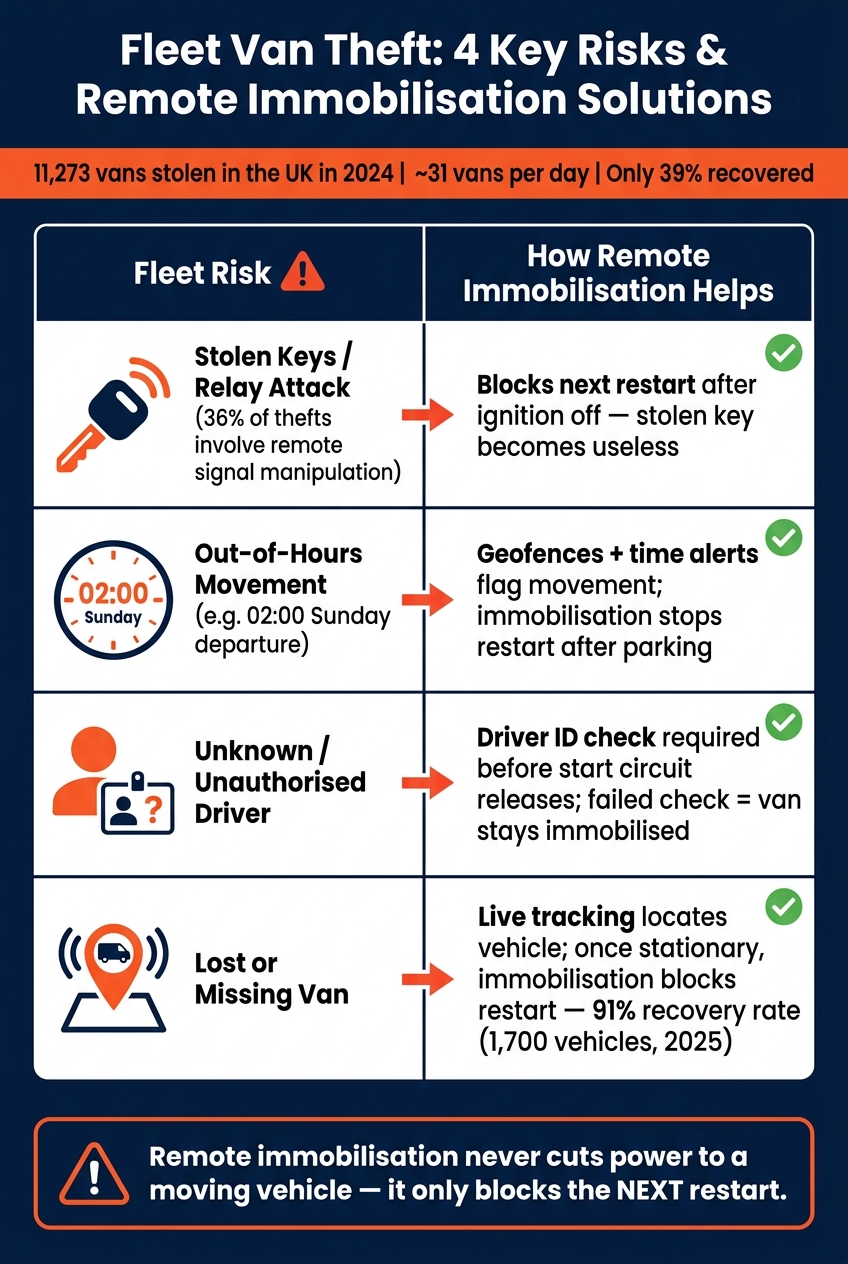
Fleet Van Theft: 4 Key Risks & Remote Immobilisation Solutions
Key theft and drive-away theft
Problem: Stolen keys make theft look legitimate
Key theft is often the first real test of a fleet’s theft control. Why? Because when someone has the key, the van can look completely legitimate. There’s no smashed window, no forced lock, and no alarm drawing attention. The van just drives away with barely any sign that anything is wrong.
Keys taken overnight, lifted from a depot, or stolen during a short stop can get a van back on the road in minutes. And the damage doesn’t stop with the vehicle itself. The bigger hit is often to day-to-day work. For a delivery fleet, one stolen van can wipe out a full day’s route. For a service company, it can mean cancelled bookings and engineers left without their tools.
Keyless-entry vans bring another weak spot: relay attacks. 36% of vehicle thefts in England and Wales involve manipulation of remote locking signals - including relay attacks that let criminals unlock and start a van without ever physically touching the key fob. To the van’s own security systems, nothing seems out of place.
Solution: Remote immobilisation blocks the next restart even with a valid key
If a suspicious movement is flagged, remote immobilisation can stop the next restart once the ignition is switched off. That means the stolen key stops being useful after that point. Instead of losing the van for good, you have a much better chance of turning the incident into a recovery.
GRS Fleet Telematics adds dual-tracker cover, so location data can still continue if the main unit is removed.
In simple terms, key control helps cut the risk of theft in the first place. Remote immobilisation helps stop a stolen van from being restarted. The same control is also useful when vehicles move outside permitted hours.
Out-of-hours movement and unauthorised trips
Key theft isn't the only thing fleet managers need to watch for. Out-of-hours movement is a common risk too. A van moving at night isn't always stolen, but any movement you weren't expecting needs checking straight away. It could be theft, private use, or a valid job. The trouble is simple: if no one spots it until Monday morning, the vehicle could already be miles away.
Problem: Vehicles move when they should be parked
The signs often look obvious after the fact. Ignition activity at 02:00 on a Sunday. Mileage that doesn't line up with any job ticket. A vehicle showing up on the live map in a place it shouldn't be. None of that happens by accident. It points to a gap in fleet control, whether that's theft or after-hours use.
The costs can pile up fast. More mileage means more wear and tear. That pushes servicing forward and can chip away at resale value. Unauthorised trips also burn fuel that no one planned to pay for.
This is where geofences and time-based alerts come into play.
Solution: Geofences, time-based alerts and remote immobilisation
Geofences let you set virtual boundaries around depots, customer sites, or a driver's approved overnight address. If a van crosses one of those boundaries outside agreed hours, an alert goes out at once by SMS, push notification, or email. That gives a manager time to check the live map and work out what's going on before the vehicle gets too far.
A UK fleet can set weekday curfews, weekend restrictions, and bank holiday alerts. Time-based alerts add context. A van moving inside a depot at 21:00 might just be a late loading run. That same van crossing a geofence at 02:00 on a Sunday is something else entirely.
Once a trip is confirmed as unauthorised, immobilisation can stop the next restart and limit any more movement. The safest approach is simple: use geofences and time-based alerts to flag the movement first, then immobilise the vehicle only after it has stopped.
False starts, unknown drivers and lost vans
Not every theft begins with smashed glass or forced entry. Sometimes it starts with a key turning in the ignition and no one being able to say, with confidence, who had permission to do it.
The next risk is quieter and, in some ways, harder to spot: unauthorised starts that seem routine until someone asks who was behind the wheel.
Problem: False starts and unidentified drivers create safety and compliance risks
A false start is any unauthorised attempt to start or move a van. That could mean a depot shuffle, a subcontractor using a vehicle outside agreed hours, or a driver borrowing keys for a personal errand.
On the surface, that may not look like much. But once there’s damage, a complaint or an incident, the gap shows up fast. If no one can prove who was driving, claims become harder to settle and incident records carry less weight.
Solution: Driver ID checks prevent starts before misuse begins
Driver ID systems tie the van to an approved person, not just a key. Before the start circuit is released, a tag, card or app login must match a registered driver.
If that check fails, the van stays immobilised and the blocked attempt is logged. Simple as that.
That changes the paper trail in a big way. Each trip is linked to a named, approved driver, not just a vehicle registration. So accountability is clearer, and training or disciplinary records are easier to manage when something goes wrong.
If a van still disappears, live tracking is the fastest way to find it.
Lost vans: how live tracking and immobilisation speed up recovery
When a van cannot be accounted for, speed matters more than suspicion.
A van can go missing after theft, a collision or a missed handover. Live tracking shows its location, route history, stops and detours within seconds. Once it has been found and is stationary, remote immobilisation blocks any restart.
Safe use, controls and conclusion
Once you’ve located a van, the next job is simple: stop any more use without creating a safety issue. Remote immobilisation does that by blocking the next restart after the vehicle is stationary. So you can stop more movement in a controlled way, without cutting power to a van that’s still on the move.
Set clear rules for who can immobilise a vehicle and when
Immobilisation only works well if the rules around it are tight. That means access control and authorisation matter just as much as the immobilisation command itself. Keep access limited to named managers. Before any vehicle is immobilised, confirm its location, verify the incident, and record who approved the action and why. That gives you a clear audit trail for insurers, internal reviews and claims.
Your written procedures should also spell out exactly when immobilisation is allowed, such as:
- confirmed theft
- a geofence breach outside agreed hours
- a failed driver ID check
Those rules should line up with your duty of care. If immobilisation is used without a documented process, it becomes harder to defend and harder to learn from later. Clear rules turn immobilisation into a practical response to key theft, unauthorised trips, unauthorised starts and lost vans.
Paired with live tracking, driver ID and alerts, immobilisation covers the gap those tools can’t deal with on their own. When it’s handled properly, remote immobilisation turns theft, misuse or recovery into a controlled response.
FAQs
Is remote immobilisation legal in the UK?
Yes, remote immobilisation is legal in the UK, as long as it meets safety and regulatory rules. The key point is simple: the engine must only be disabled when the vehicle is stationary. Cutting power while a vehicle is moving is prohibited.
Fleet operators also need to follow UK GDPR. That means telling employees about tracking, handling data with care, and keeping clear records for inspections and insurance.
Who should be allowed to immobilise a van?
Only trained and authorised personnel - such as fleet managers or named staff - should be able to remotely immobilise a van. Access needs tight control through secure, role-based systems, with every action logged so there’s a clear record of who did what and when.
Because the safety and legal stakes are high, immobilisation needs professional oversight. In theft cases, it should also be coordinated with law enforcement.
What happens if the tracker is removed?
If someone tampers with the tracker or removes it, the dual-tracker system adds another layer of security.
The main hard-wired tracker keeps watch at all times. Alongside it, a hidden Bluetooth backup tracker sits in the background as a safety net.
If the primary unit is disabled, the backup kicks in and keeps location data coming through. The system can also spot tampering and send alerts, which can help with vehicle recovery.